A Story of an “Accessibility Friendship”
The first time I met Keira Dooley was at the California Web Accessibility Conference (CALWAC) in 2006, an event she helped organize with Knowbility and The Chancellor’s Office of the California State University System. It was a gathering that brought together people passionate about creating a more accessible digital world for all, including individuals with visual, mobility, motor, dexterity, and cognitive disabilities, as well as those who are deaf or hard of hearing.
Back then, Keira and I were both teaching classes in accessible web design for educational technology, sharing what we’d learned over years of advocating for inclusive design practices. Fast forward to today, Keira and I now work side by side again at Dooley Design Group, where we ensure that accessibility isn’t just part of the process but is at the forefront of everything we create from content to design to development.
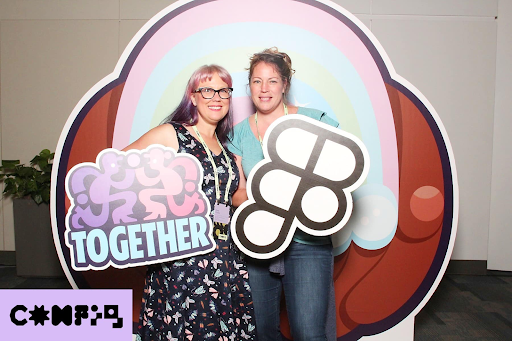
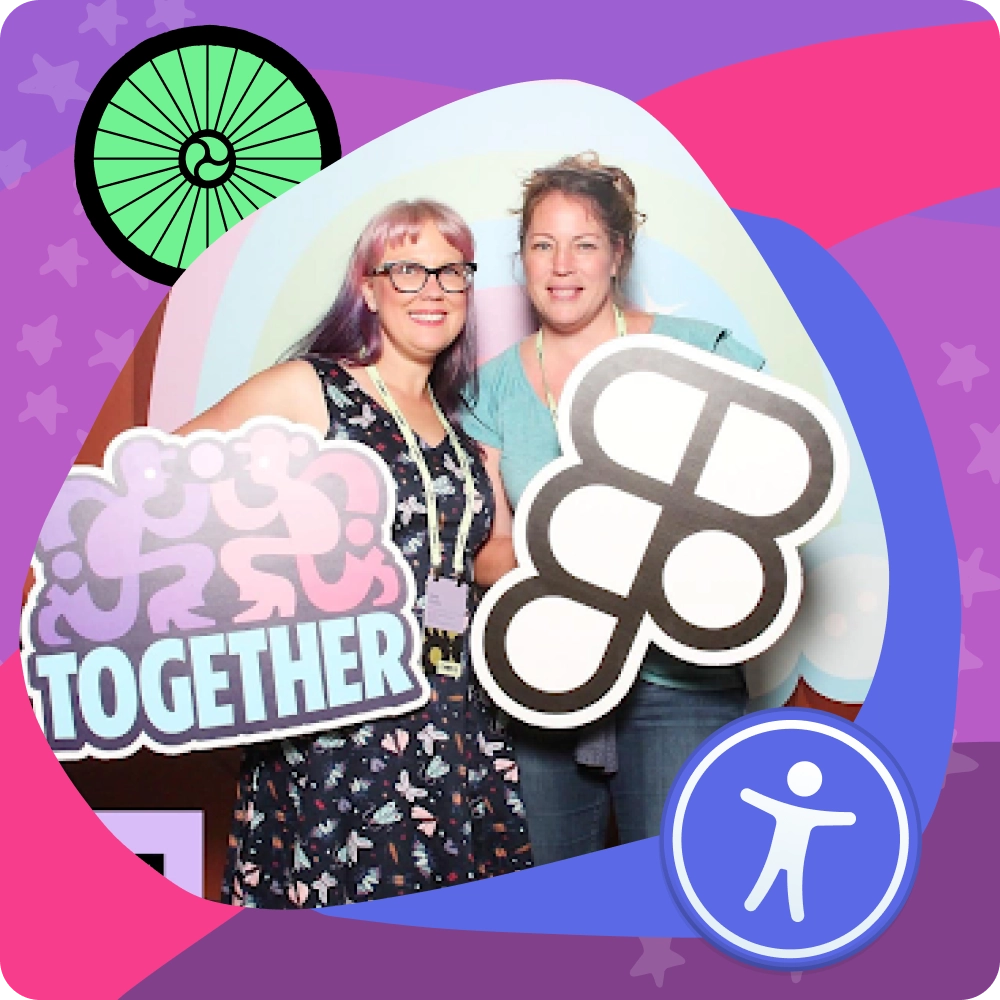
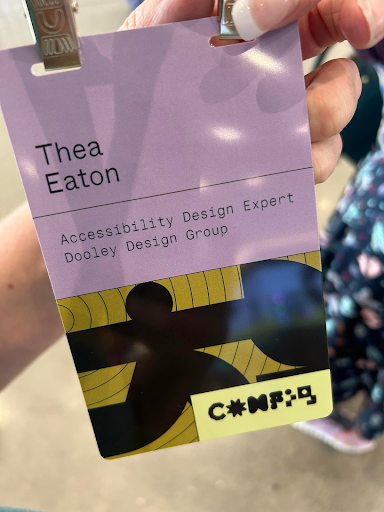
In 2023, we attended Config, Figma’s design conference in San Francisco, where accessibility took center stage. Seeing accessibility embraced by a broader design community reminded me just how far we’ve come since the early days when accessibility was more of a box to check than a fundamental principle.
At Dooley Design Group, accessibility isn’t just a best practice or a strategy—it’s the foundation of values that drives how we design for impact.
Why Inclusive UX Design Matters
Designing with inclusivity in mind starts with understanding that your users are as diverse as the world itself. They come with different abilities, backgrounds, and needs. Inclusive UX design means creating digital spaces where everyone feels welcome and empowered to engage.
I remember how challenging it was in the early 2000s when accessibility guidelines like WCAG (Web Content Accessibility Guidelines) became a government mandate requirement rather than a suggestion. For many businesses, it felt like an uphill battle to adapt. But that shift was necessary. It taught us that designing for accessibility isn’t just about compliance—it’s about recognizing that inclusive design benefits everyone. For example, captions initially created for users with hearing impairments are now widely used in noisy environments or by those learning a new language.
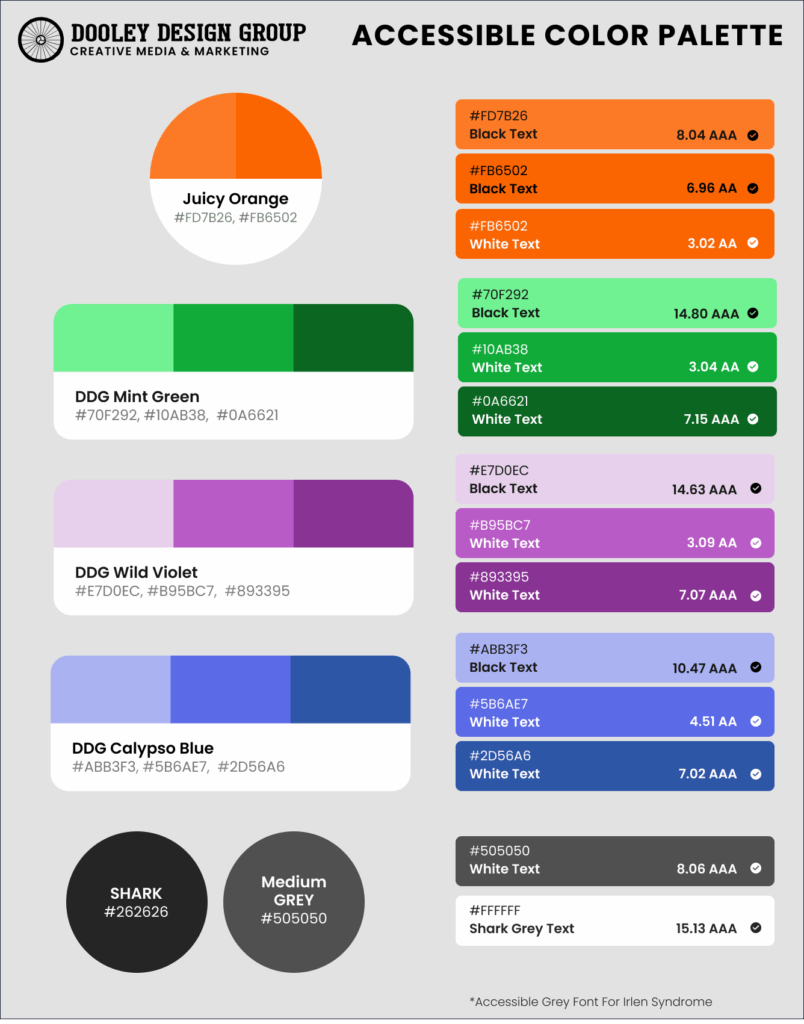
When we design with accessibility in mind, we create experiences that are easier to navigate, more intuitive to use, and ultimately better for all users. Accessible design is not just good design; it’s great business.
Why User Experience Matters for Business Success
 Let’s face it: In today’s digital-first world, having a website or app isn’t enough. The real differentiator is the quality of the user’s experience. Inclusive design expands your audience by ensuring no one is left out. It builds trust, increases user engagement, and drives customer loyalty. And here’s the kicker—accessible design often leads to innovative solutions that wouldn’t emerge otherwise.
Think of it this way: when we remove barriers for one group, we’re likely improving the experience for others as well. For instance, designing seamless navigation for keyboard users often results in a cleaner, more intuitive interface for everyone.
At Dooley Design Group, we believe that inclusive UX design is more than a responsibility—it’s an opportunity to lead with innovation and empathy. By prioritizing accessibility, we’re not just meeting standards; we’re setting new ones. Let’s work together to design digital experiences that leave no one behind and create value for all.